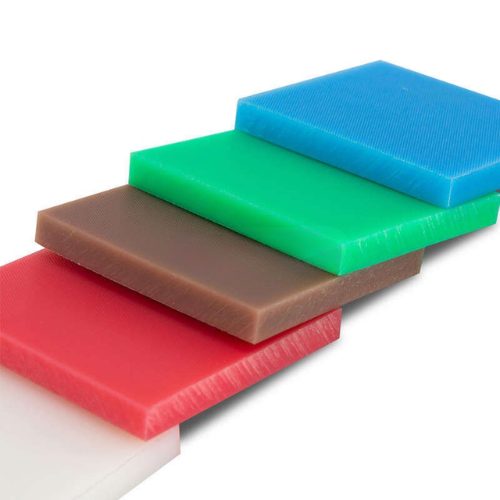
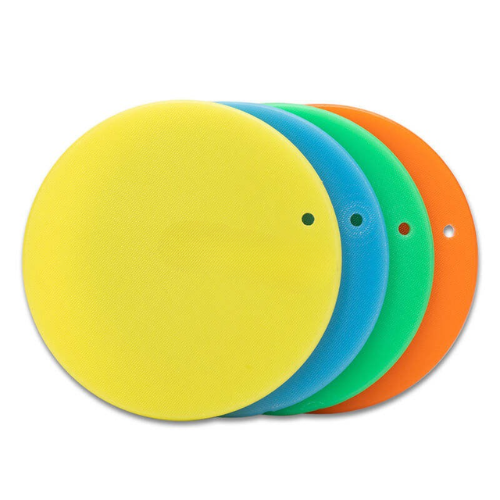
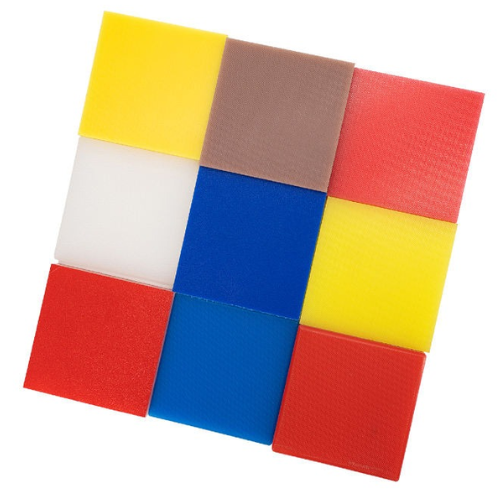
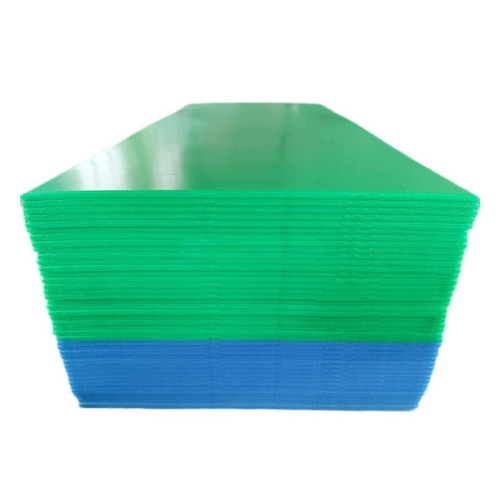
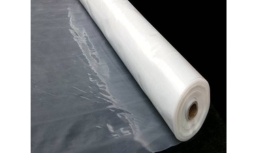
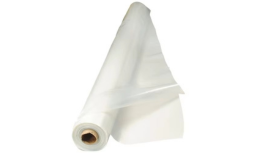
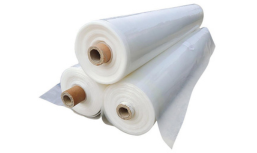
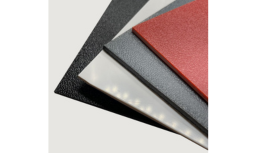
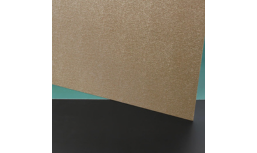
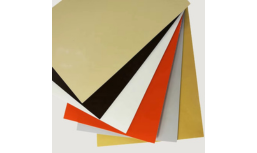
HDPE (High-Density Polyethylene) sheets are durable, versatile plastic materials known for their high strength-to-density ratio, chemical resistance, and weatherability. They are manufactured primarily through extrusion or compression moulding into various forms and dimensions for a wide range of industrial and commercial applications.
Text / Size
150mm x 0.1mm x 365mtrs
150mm x 0.1mm x 365mtrs
150mm x 0.1mm x 365mtrs
150mm x 0.1mm x 365mtrs
**** Available in various width, thickness & roll length.
Physical Properties
Density: Generally ranges from 0.94 to 0.97 g/cm³
Thickness: Available in a wide range, from as thin as 0.2 mm up to 35 mm or more, often specified in mils for geomembrane applications (e.g., 30, 40, 60, 80, or 100 mil).
Surface Finishes: Available with smooth, textured (e.g., for cutting boards or anti-skid surfaces), or T-ribbed (for enhanced friction and stability in lining applications) surfaces.
Color: Commonly available in black, white, blue, and various other multi-colors, with UV-stabilized grades available for outdoor use.
Chemical Resistance: Highly resistant to many acids, alkalis, solvents, and other corrosive substances, making them suitable for harsh environments.
UV Stability: UV-stabilized grades are available for outdoor applications, ensuring they can withstand prolonged exposure to sunlight without degradation.
Common Applications
SPARCO- HDPE sheets are used across numerous industries due to their versatility and durability:
Construction & Infrastructure: Used as damp-proof membranes, foundation waterproofing barriers, and protective liners for retaining walls.
Environmental & Waste Management: Essential for geomembrane liners in sanitary landfills, containment ponds, reservoirs, and water management systems to prevent the contamination of soil and groundwater.
Industrial: Utilized for fabricating chemical storage tanks, acid tanks, industrial floor lining, and specialized equipment due to their chemical resistance.
Food Handling: Matte and smooth HDPE sheets are FDA and NSF approved, making them ideal for cutting boards and hygienic food preparation surfaces as they do not harbour bacteria.
Agriculture: Employed for lining irrigation ponds and manure pits. Other Uses: Include snowboards, outdoor furniture, playground equipment, packaging materials, and orthotic/prosthetic devices.
LDPE (Low Density Polyethylene)
LDPE stands for Low Density Polyethylene, also called Low-Density Polyethylene. Polythene is formed by polymerisation of ethylene (poly means "many"; literally, therefore, many-ethene). Ethylene is obtained by cracking a light derivative of petroleum, such as naphtha.
The low density of LDPE results from carrying out the polymerisation process under high pressure, creating molecules with many side branches. These side branches lower the degree of crystallisation, meaning that the molecules do not lie tightly together due to their irregular shape. This causes fewer molecules to fit in the same space, resulting in a lower density of the material.
We see a good example of this effect with water and ice. Ice, being in a more crystallised state, is lighter than water.
LDPE is a thermoplastic, a type of plastic that softens when heated, unlike rubber, for example. This allows LDPE to be easily reused and moulded into other shapes after heating.
LDPE film is produced by extrusion, a process in which plastic material is melted and pressed through a mould to obtain the desired shape. This process results in thin, flexible sheets or films that are widely used for packaging.
The production of LDPE film consists of the following steps:
Polymerisation: Ethylene monomer is converted into LDPE under low pressure and temperature by a radical polymerisation reaction.
Extrusion: The LDPE polymer is melted and pressed through an extruder to make thin films.
Cooling down: The film is quickly cooled and wrapped on rolls, creating the final product.
LDPE film is a versatile material that Sparco-Spanlite uses in various packaging solutions due to its flexibility and excellent barrier functions. The main applications of LDPE film within our range are:
Automatic packaging of frozen fruit and vegetable
Sparco-Spanlite offers LDPE film for automatic packaging of frozen fruit and vegetables. This so-called FFS films are ideal for use in form-fill-seal (FFS) machines, which provide fast and efficient packaging of bagged products. The film protects the contents from moisture, dirt and other external influences, preserving product quality during storage and transport.
Collation Shrink Film
Sparco-Spanlite offers shrink film suitable for packaging various products. This film is ideal for automatic packaging of consumer goods and multiple products in bundles, for example. When the film is heated, it shrinks around the product, creating a tough, protective layer that fits perfectly to the product. Shrink film is widely used in the food sector, non-food products and for retail packaging.
Pocket goods
At Sparco-Spanlite , we manufacture bagged goods in the form of refuse sacks, rubbish bags and collection bags for both domestic and industrial use. These LDPE bags are strong and durable, with excellent protective properties against dirt and moisture. The bags are used for storing and transporting various materials, from rubbish to building materials and vegetable waste.
Advantages of LDPE (film)
Strength and flexibility
LDPE is a tough plastic with many side branches in its molecular structure. This gives the material a soft texture,
but at the same time it offers high tensile strength and tear resistance. This combination makes LDPE film particularly suitable for packaging
solutions where both flexibility and toughness are important, such as shrink wrap and stretch films.
Water-repellent and chemical-resistant
Thanks to its hydrophobic properties, LDPE offers excellent protection against moisture and other liquids. This makes it ideal for applications where water resistance is required, such as when packaging building materials or garden products like potting soil. In addition, the material is resistant to a wide range of chemicals, including acids, bases and oils, contributing to its versatility.
Suitable for the food industry
LDPE is safe for direct food contact, which makes it perfect for applications in the food industry. It is often used for packaging such as freezer bags, cling film and bakery packaging, where hygiene and food safety are crucial.
Thermal properties
The molecular structure of LDPE makes it very suitable for applications such as shrink wrap. Whereas other types of polyethylene shrink mainly lengthwise when heated, LDPE can also shrink widthwise due to its side branches. This ensures an optimal and uniform fit around products, which is essential when packing, for example, pallets or bundles.
More environmentally friendly than many alternatives
A major advantage of LDPE is that less material is needed to make a sturdy packaging. This leads to less use of raw materials, lower energy consumption during production and a smaller carbon footprint. Moreover, the light weight contributes to more efficient transport processes, further reducing environmental impact.
Recycling LDPE film
LDPE film is highly recyclable, if collected and processed correctly. Recycled LDPE (PCR: Post-Consumer Recycled) can be used to produce new films or other plastic products, such as rubbish bags or construction films. This makes LDPE a circular material that helps reduce plastic waste and contribute to a more sustainable packaging chain.
Introduction to ABS Plastic Sheets
ABS plastic sheets, known as Acrylonitrile Butadiene Styrene sheets, are a highly versatile and widely used thermoplastic material. They are created through the polymerization of acrylonitrile and styrene in the presence of polybutadiene, resulting in a material that combines the strength and rigidity of acrylonitrile and styrene with the toughness of polybutadiene.
Composition and Manufacturing Process
The composition of ABS plastic sheets is a unique blend that offers a balance of desirable properties. Acrylonitrile provides chemical resistance and surface hardness, butadiene adds impact strength and toughness, while styrene contributes to rigidity and ease of processing. This combination is achieved through a complex manufacturing process where these monomers are polymerized to form a tough and durable plastic.
In the manufacturing process, raw materials are first mixed and then polymerized through a process called emulsion polymerization. This involves the emulsification of acrylonitrile and styrene in the presence of polybutadiene, resulting in a fine dispersion of rubber particles within the thermoplastic matrix. The end product is a plastic that exhibits a unique set of properties suitable for various applications.
Key Properties of ABS Plastic Sheets
ABS plastic sheets are renowned for their impact resistance and chemical resistance, making them ideal for applications requiring durability and toughness. The material's excellent thermal stability allows it to withstand varying temperatures without deforming, which is crucial for both indoor and outdoor applications.
Moreover, ABS sheets are lightweight yet rigid, providing structural strength without adding significant weight. This characteristic is particularly beneficial in the automotive and construction industries, where reducing weight can lead to improved efficiency and performance.
Advantages of ABS
Impact resistance: ABS plastic is known for its excellent impact resistance, making it suitable for applications that require durability and toughness.
Strength and stiffness: ABS has good mechanical properties, including high strength and stiffness. Its ability to withstand loads and stresses makes it suitable for structural components.
Versatility: When it comes to manufacturability, ABS plastic is a versatile material that can be easily molded and shaped through various services, such as injection molding, machining and 3D printing.
Chemical resistance: The material exhibits resistance to a wide range of chemicals, including acids, alkalis, and various solvents.
Electrical insulation: ABS has good electrical insulating properties, so you will find it in electrical and electronic components, housings, and enclosures.
Surface finish: ABS plastic can be easily finished and post-processed for a smooth and aesthetically appealing surface.